
I’m drawn to systems for the same reason in every field I’ve worked in: small, granular, almost atomic changes that interact until they shift something at the macro level, and then feed back on themselves. A few molecules of a hormone bind a receptor, a gene switches on, a behaviour changes, and the behaviour changes the hormone. One mutation survives a round of selection, and a few generations later a genetic algorithm’s whole population has converged on a solution no individual was designed to find; a swarm of agents each following a handful of local rules ends up behaving like something with a plan. A price moves, and the move becomes information that moves it again. Some of those loops are positive and run away with themselves; some are negative and hold everything steady; most real systems are a tangle of both.
What fascinates me is that these systems are semi-deterministic and have no agency at all. A cascading hormone system is exactly as agnostic about itself as a genetic algorithm or a change in a stock price: none of them wants anything or knows what it’s doing, and yet what they produce is structured enough that you can learn to read it, and sometimes to anticipate it.
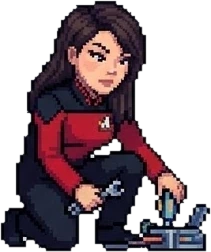
That started in neuroendocrinology, in circadian and behavioural endocrinology labs, and it’s the same lens I bring to data engineering. Now AI agents are doing it too, at the intersection of economics, user dynamics, and psychology. Lately I’ve been engaging a lot with Benjamin Bratton’s The Stack and digital topologies in this vein, and with data sovereignty as a consequence. It’s why this blog wanders between hormones, Spark internals, and who funds AI research: to me they’re the same kind of question.
I’m a huge believer in open source. I think it’s the future, and it’s already the core of the technical systems that run our entire world. I’ve been a Linux fan for a long time, Ubuntu especially, despite the flak that’s earned me from Arch users.
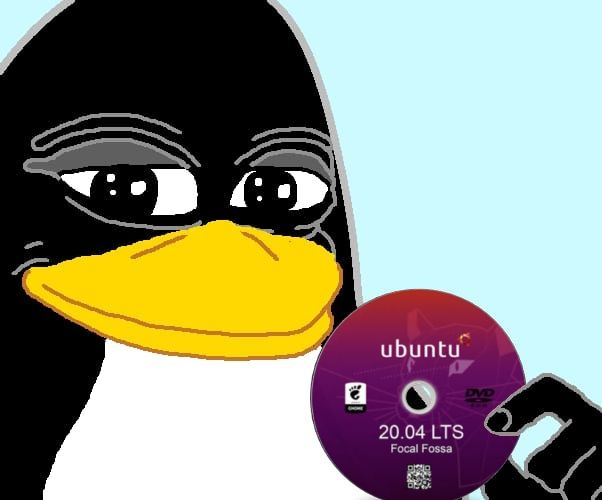
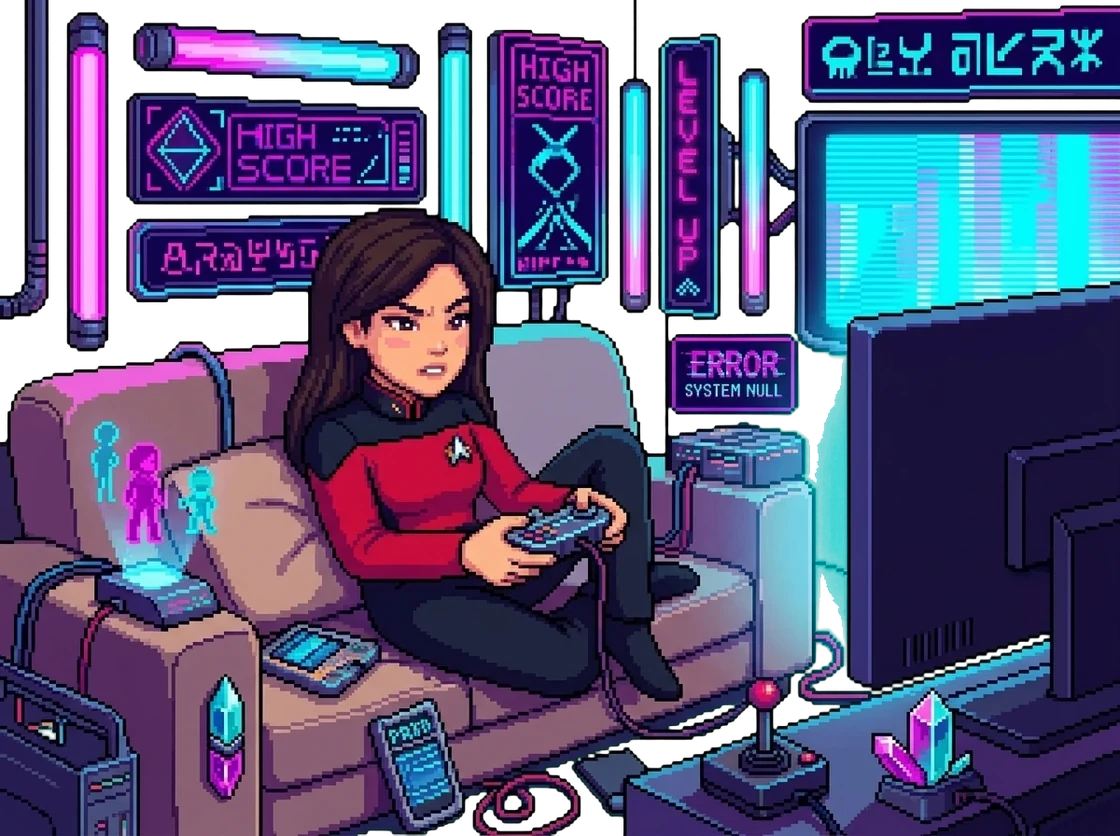
I also game on Linux, and I’m excited about the latest Proton developments. I love RPGs like Mass Effect and Dragon Age, and science fiction like Star Trek, which you may have already guessed from the LCARS panels framing this page.
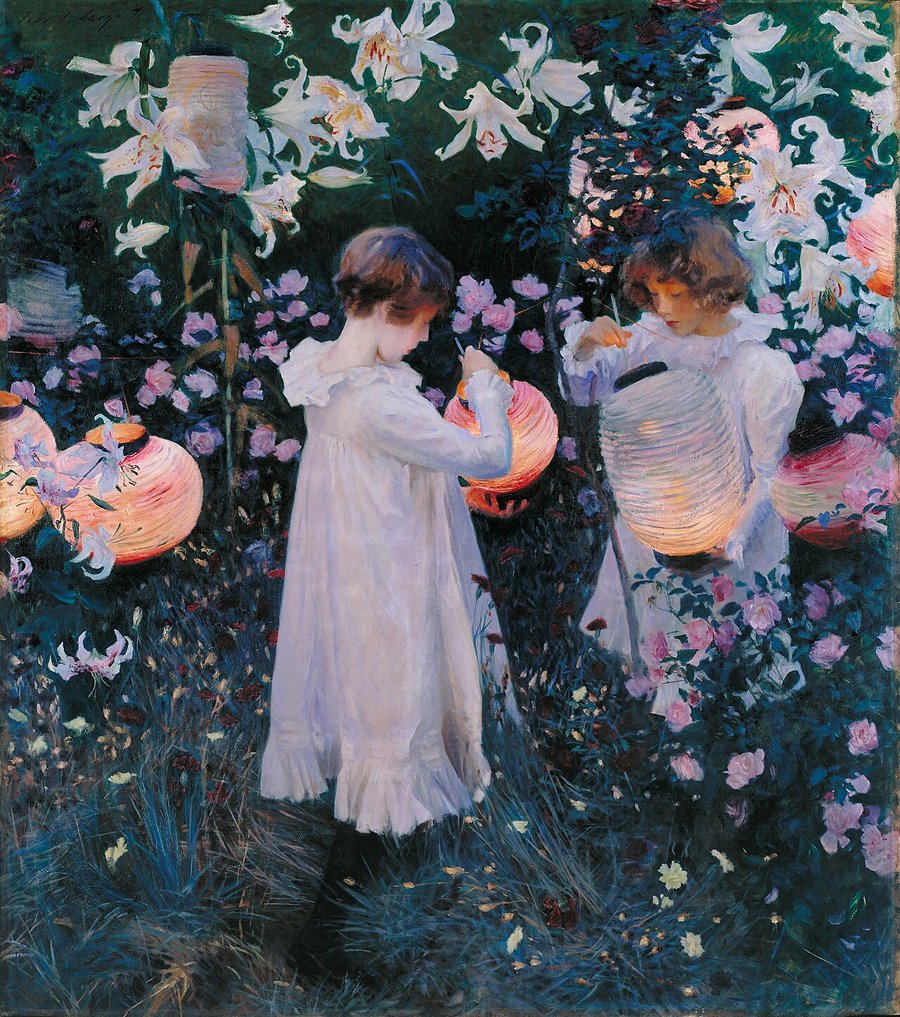
I love Pre-Raphaelite art, and my favourite painter of all time is John Singer Sargent. I love his use of colour and his approaches to portraiture, unorthodox for their time. On a fun side note, I used to be a caricaturist.
Today I work in DevRel at Databricks on the open source team, which is a dream job for me. It’s exciting and amazing to work with such smart, incredibly hardworking people who have been part of this community for so long.
Featured
- Continuous Spotlight: Meet Lisa N. Cao, CD Foundation, March 2025
- Terry Fox award winner overcomes adversity, embraces unique educational journey, SFU News, September 2021, on receiving SFU’s Terry Fox Gold Medal
Elsewhere
- GitHub
- Twitter / X
- Medium
- YouTube: Linux with Lisa (retired, but still up)
Opinions here are my own and do not reflect the views of my employer.